The Impact of Social Media on the U.S. Election: A Double-Edged Sword
Introduction
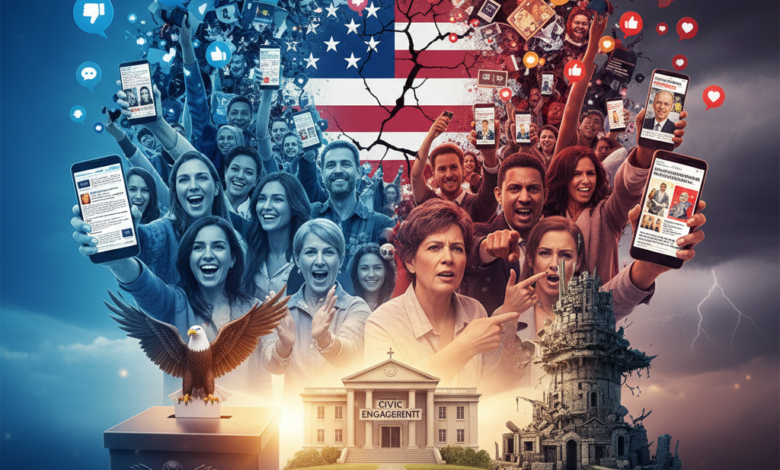
Over the past two decades, political campaigning in the United States has undergone a monumental transformation, largely attributed to the rapid rise of social media. The advent of digital platforms has redefined how candidates engage with voters, cultivate their public personas, and convey their messages. Unlike traditional campaigning methods that relied heavily on direct mail, television, and in-person events, social media has introduced an immediacy and interactivity that profoundly benefits both candidates and constituents.
Initially regarded as merely a supplementary tool, social media has now become integral to election strategies, enabling candidates to communicate directly with supporters and potential voters. Platforms such as Facebook, Twitter, and Instagram facilitate real-time dialogue, allowing politicians to respond to current events, public sentiment, and even opponents instantly. This shift has encouraged a new level of transparency and accessibility in the electoral process, where voters can not only consume information but also engage with candidates at unprecedented levels.
Moreover, social media plays a critical role in the dissemination of information, shaping public opinion and influencing electoral outcomes. With users having the ability to share and amplify content, a single post can reach millions within a matter of hours. This viral nature of information has led to the emergence of digital campaigning as a cornerstone of modern elections, forcing parties to rethink their outreach strategies. Campaign teams are increasingly leveraging analytics to tailor their content, ensuring it resonates with specific demographics while also maximizing engagement through targeted advertising.
The influence of social media extends beyond mere campaigning; it serves as a vital platform for grassroots movements and mobilizing grassroots efforts. As traditional media continues to evolve, the impact of social media on political campaigning in the U.S. represents a significant shift that combines innovation with evolving voter expectations, thus laying the groundwork for the future of electoral politics.
Positive Influences of Social Media on Elections
Social media platforms have emerged as powerful tools in the U.S. election process, significantly enhancing voter engagement and facilitating grassroots movements. The accessibility of these platforms enables candidates and political organizations to reach a broader audience, fostering an environment where voters can become more involved in the electoral process. By utilizing social media, campaigns can drive discussions around key issues, encouraging citizens to participate in political discourse and make informed decisions.
One notable impact of social media is its ability to amplify the voices of underrepresented groups. Previously marginalized communities now have a platform where they can express their perspectives and advocate for their rights. This democratization of information allows for a richer dialogue around political issues, ensuring that disparate viewpoints are heard. Furthermore, initiatives that promote inclusivity often gain traction through social media, as they mobilize support and awareness around critical matters that may have been overlooked in traditional media narratives.


The successful case studies of social media usage during elections illustrate its potential to transform campaign strategies. For instance, the 2008 Obama presidential campaign effectively utilized platforms like Facebook and Twitter to engage younger voters, creating a strong community of supporters who participated in virtual rallies and discussions. Similarly, the recent use of TikTok for political messaging has shown that innovative strategies can capture the attention of younger demographics, effectively shifting the dynamics of voter outreach.
Additionally, social media serves as a conduit for pressing issues to gain visibility. Topics such as climate change, social justice, and healthcare reform are often highlighted through viral posts, prompting candidates to address these matters in their platforms. This interaction between social media and the electoral process signifies a shift toward a more responsive political environment, where candidates are held accountable to the electorate through the amplification of crucial conversations. As social media continues to evolve, its role in shaping the political landscape and refining the election process cannot be overlooked.
Negative Consequences of Social Media on Elections
Social media has emerged as a pivotal platform in shaping political discourse; however, it also bears significant negative consequences for electoral processes. One of the principal issues is the proliferation of misinformation. Social media platforms facilitate the rapid spread of false information, which can deceive voters and manipulate public perception. For example, during the 2016 U.S. presidential election, various false narratives circulated widely—ranging from fabricated news stories to misleading memes—impacting voter opinions and decisions. This phenomenon, often referred to as ‘fake news,’ exploits the viral nature of social media, leading to confusion and distrust among the electorate.
Additionally, social media contributes to the establishment of echo chambers where individuals are exposed predominantly to opinions that reinforce their existing beliefs. This phenomenon can stifle critical discourse, as users are less likely to engage with opposing viewpoints. Consequently, the fragmentation of public opinion intensifies political polarization. A study on social media usage during electoral campaigns illustrated that users often share content that aligns with their political ideologies, thus perpetuating a narrow understanding of electoral issues and reducing the likelihood of compromise among differing parties.
Moreover, the role of foreign interference in U.S. elections has raised significant concerns. Recently, reports have surfaced indicating that external actors have utilized social media to sway public sentiment and manipulate voter behavior, thereby undermining the democratic process. The targeted ads and disinformation campaigns executed during the elections exemplify how easily social media can be weaponized to exploit societal divisions. The implications of such actions resonate far beyond the immediate electoral outcomes, potentially eroding trust in democratic institutions and processes.
In conclusion, the influence of social media in the political landscape of the U.S. elections is complex and multifaceted. Its capacity to spread misinformation, create echo chambers, and facilitate polarization poses substantial challenges to the foundational principles of democracy, necessitating a comprehensive approach to mitigate its adverse effects.
Moving Forward: Regulating Social Media in Politics
The intersection of social media and politics necessitates thoughtful consideration and regulation to address the profound impacts of these platforms on elections. As social media continues to shape political discourse, it becomes essential to introduce regulations aimed at creating a more transparent and accountable environment for political communication. Proposed regulations may include stricter guidelines on advertising practices, such as disclosing the sources of funding for political ads and identifying the intended audiences more clearly. By ensuring that voters are informed about the origins of the information they consume, the integrity of political dialogue can be significantly enhanced.
Furthermore, social media companies play a crucial role in content moderation to maintain the quality of political discourse. Platforms must invest in advanced technologies and human oversight to combat misinformation, hate speech, and other harmful content that can distort electoral integrity. These companies have a responsibility to establish clear policies that define what constitutes acceptable political content while ensuring their enforcement is impartial and transparent. This approach will help to foster a healthier environment for civic engagement and democratic participation.
Another vital element in moving forward is enhancing digital literacy among voters. Empowering individuals with the skills to critically evaluate online information can mitigate the negative impacts of misleading content. Educational initiatives, whether through public awareness campaigns or school curricula, must be developed to inform citizens about recognizing misinformation and understanding the implications of social media on their political choices. These strategies, combined with thoughtful regulation and responsible content moderation by social media platforms, can create a balanced framework that upholds free speech while promoting a responsible political discourse needed for a vibrant democracy.