“Quiet, Piggy”: The Latest Escalation in the War on the Free Press
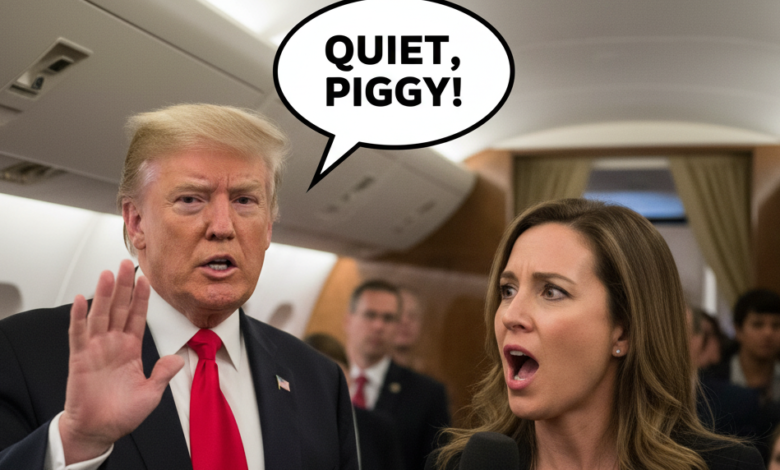
Understanding the Phrase “Quiet, Piggy”
The phrase “Quiet, Piggy” has emerged as a significant symbol in the ongoing discourse surrounding the erosion of press freedoms and the increasing complexities faced by journalists around the world. Its origins may be traced back to various movements advocating for media independence, where the term is often used to illustrate acts of censorship and suppression of journalistic expression. Essentially, “Quiet, Piggy” serves as a metaphor for silencing dissenting voices and discouraging investigative reporting that might disrupt the status quo.
At its core, the expression reflects concerns about the changing landscape of media freedom. In numerous jurisdictions, journalists encounter ever-increasing pressures from governmental and non-governmental entities striving to maintain control over the narrative. The term “Quiet, Piggy” poignantly encapsulates this struggle by drawing attention to the challenges that reporters face while attempting to uncover truths that are often uncomfortable for those in power. In this sense, it resonates as a rallying cry for advocates of a free press, emphasizing the importance of independence in journalistic endeavors.
Consequently, “Quiet, Piggy” has gained traction as a phrase denoting resistance against censorship, spurring discussions about the fundamental rights of journalists. In sum, this phrase illustrates the challenges faced by the media in an era marked by escalating threats against expression, and serves as a vital reminder of the crucial role that a free press plays in ensuring democratic principles are upheld.
Recent Developments in Press Freedom
In recent years, press freedom has come under increasing threat across various nations. Legislative measures, intimidation tactics, and outright violence against journalists have created a troubling environment for those dedicated to uncovering the truth. The implications of these actions extend beyond the individuals targeted, impacting the public’s right to know and fostering a culture of fear within the media landscape. For instance, in Hungary, the government has imposed stringent media laws that significantly limit journalistic independence. These restrictions, coupled with governmental pressure on media ownership, exemplify how legal frameworks can be manipulated to stifle critical reporting.
Similarly, Turkey has witnessed an alarming crackdown on press freedom, especially following the failed coup attempt in 2016. Numerous journalists have been arrested, and media outlets have been shut down under accusations of terrorism or attempting to undermine national security. This has led to self-censorship among reporters who fear repercussions for their work. Notably, the case of Ömer Faruk Gergerlioğlu, a journalist sentenced to prison for exposing human rights abuses, underscores the grave risks faced by media professionals. His conviction represents a broader trend of judicial harassment against reporters challenging state narratives.
Additionally, violence remains a pervasive threat in numerous regions. In Mexico, journalists are frequently targeted for covering organized crime and government corruption, with several high-profile cases leading to assassinations and disappearances. The government’s inability to protect journalists exacerbates this dangerous climate, resulting in the suppression of vital information. Global organizations like Reporters Without Borders and the Committee to Protect Journalists continuously highlight these abuses, urging international bodies to hold accountable those who infringe upon press freedom. Overall, these recent developments paint a grim picture of the state of press freedom worldwide, revealing the urgent need for concerted efforts to safeguard journalists and uphold the public’s right to information.


The Consequences of Suppressing Free Press
The suppression of free press has profound implications for society and governance. At its core, a vibrant and independent press is instrumental in upholding the principles of democracy. By serving as a watchdog, the media ensures transparency and accountability among public officials, facilitating informed citizen engagement. When journalistic freedoms are curtailed, it undermines the essential function that the press plays in fostering public discourse and debate. This restriction can lead to a disinformed populace, which may inadvertently support policies or leaders that do not represent their interests or values.
Illustrative case studies from various regions demonstrate the consequences of limiting press freedoms. For instance, in countries where media outlets are heavily controlled by the state, such as North Korea and Turkmenistan, citizens are subjected to a narrow narrative that severely restricts their understanding of both domestic and international issues. As a result, these populations often lack the necessary tools to engage critically with their governments. Additionally, research has indicated a correlation between media restrictions and the erosion of civil liberties, creating a perilous feedback loop that threatens the very foundations of democracy.
The absence of diverse media voices can lead to a homogenized public opinion, where dissenting views are silenced, resulting in a stagnant civic environment. Without the ability to receive unbiased news, citizens may become apathetic towards political engagement, believing their voices do not hold weight. In contrast, regions with strong, independent media tend to exhibit higher levels of political participation and civic responsibility. The direct link between an engaged citizenry and a flourishing democracy is evident and underscores the risks posed by repressive measures against free press. To prevent the associated detrimental effects, it is imperative that society advocates for and supports journalistic independence and integrity.
The Role of Activism and Public Response
Activism plays a crucial role in championing press freedoms, especially in an era where media suppression is becoming increasingly prevalent. Organizations and individuals have launched various initiatives aimed at resisting attacks on journalism, often mobilizing communities to take collective action. Successful movements, such as the campaign for #FreeThePress, have leveraged social media platforms to raise awareness and galvanize support for journalists facing persecution. This grassroots approach not only educates the public about the threats to press freedom but also creates an environment where accountability is demanded from governments and institutions.
Moreover, public response can take several forms, including advocacy efforts designed to influence policy changes. Activist groups often organize petitions, lobby government representatives, and coordinate protests to pressure those in power to uphold press freedoms. These actions not only bring visibility to the issue but also encourage collective ownership among citizens, reinforcing the idea that a free press is essential for a democratic society.
For individuals wishing to contribute to the protection of journalism, there are several actionable steps they can take. Engaging on social media platforms to share stories of press suppression, supporting independent media organizations through donations, and participating in community awareness programs are all effective strategies. Additionally, attending local events or discussions centered around media freedom helps foster a supportive atmosphere for journalists. Such grassroots efforts are vital in constructing a united front against repression, emphasizing that the right to information is a shared concern that impacts all members of society.
Ultimately, fostering a culture that values and protects press freedoms requires concerted efforts from activists, organizations, and the public alike, creating a robust resistance against media suppression and solidifying the commitment to uphold journalism as a cornerstone of democracy.