Is Social Media Making You Anxious? Practical Tips to Protect Your Mental Health
Understanding the Relationship Between Social Media and Anxiety
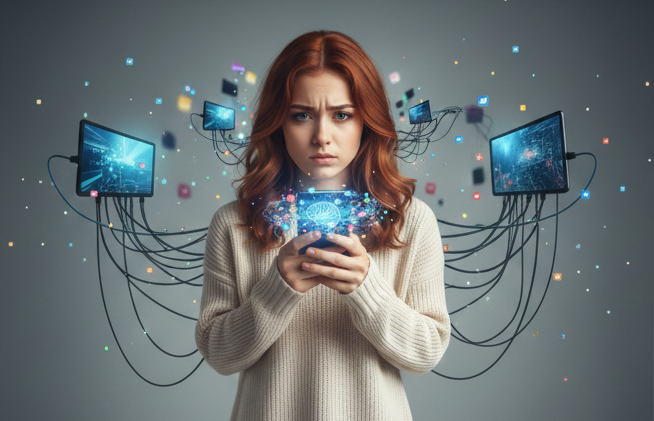
Social media has become an integral part of daily life for millions around the globe, offering a platform for communication, connection, and information sharing. However, its pervasive nature can also induce feelings of anxiety and stress in users. One significant psychological mechanism contributing to this phenomenon is the fear of missing out, commonly referred to as FOMO. This pervasive anxiety stems from the perception that others are engaging in rewarding experiences that one is not. The constant updates about friends’ activities can lead individuals to compare their own lives with those portrayed online, often resulting in feelings of inadequacy.
Moreover, social comparison is magnified on social media platforms, where images and posts are curated, often showcasing a highlight reel of life experiences. Users may find themselves evaluating their self-worth based on these comparisons, which can lead to increased anxiety levels. Research indicates that individuals who frequently engage in social comparison are more likely to experience anxiety and depression as a result. The pressure to present a perfect online persona can be overwhelming, adding to the mental strain associated with social media use.
In addition to FOMO and social comparison, the prevalence of negative news on social media also plays a crucial role in shaping users’ mental health. The constant bombardment of distressing news stories can create a sense of hopelessness and fear about the world, further contributing to anxiety. Studies have shown that frequent exposure to negative news correlates with increased levels of anxiety, suggesting that social media can exacerbate pre-existing mental health issues.
Collectively, these psychological mechanisms paint a complex picture of how social media use contributes to heightened anxiety levels. Understanding this relationship underscores the importance of taking proactive steps to safeguard mental health in our increasingly digital society.
Recognizing the Signs of Social Media-Induced Anxiety
In today’s digital landscape, social media serves as a vital communication tool, yet it can also become a source of anxiety for many individuals. Recognizing the signs that your social media habits may be negatively impacting your mental health is an essential step towards fostering self-awareness and cultivating a balanced online presence. One of the most prevalent indicators of social media-induced anxiety is an increased feeling of inadequacy. For instance, individuals may find themselves comparing their lives to the seemingly perfect images and experiences shared by others, leading to feelings of inferiority and low self-esteem.
Another common symptom is heightened stress when checking notifications. This can manifest as a sense of dread or a feeling of being overwhelmed, especially when anticipating negative feedback or conflict on posts. A person might experience physical symptoms such as increased heart rate or tension in their shoulders when logging into their accounts. This association can escalate into a habit whereby individuals avoid checking their notifications altogether, fearing the emotional toll it may take.


The compulsive need to stay connected is yet another strong indicator. Individuals may find themselves endlessly scrolling through feeds, unable to log off due to a fear of missing out on important updates or conversations. This behavior can lead to a cycle of dependency, where the need to remain engaged takes precedence over real-life interactions and responsibilities. Such scenarios contribute to a feeling of isolation, even amid a vast online community.
By identifying these patterns, individuals can begin to understand their own triggers and realize that they are not alone in experiencing these feelings. This level of self-awareness is crucial for initiating necessary changes in social media consumption and promoting mental well-being.
Practical Tips for Managing Social Media Use
Effectively managing social media usage is crucial for safeguarding mental health, particularly given the rising concerns over anxiety linked to excessive online activity. One of the most actionable strategies is to establish specific time limits for social media use. By designating particular times of the day for checking social media, individuals can avoid mindless scrolling and maintain a healthier relationship with these platforms. Apps such as “StayFocusd” or “Forest” can assist users in setting these boundaries by limiting access to distracting sites.
It is equally important to curate the content that fills your social media feed. Focus on following accounts that uplift and inspire you rather than those that trigger negative emotions. Engaging with positive influences can shift your mindset toward a more optimistic outlook, making the time spent online a more enriching experience. Additionally, consider unfollowing or muting accounts that provoke anxiety or resentment; this thoughtfulness in selection can significantly enhance one’s online experience.
Another effective strategy is to practice digital detoxes. Allocating regular breaks from social media allows individuals to reconnect with themselves and their surrounding environment. During these detox periods, explore offline activities, such as reading, exercising, or pursuing hobbies. These activities not only provide a break from the digital world but also contribute to holistic mental well-being.
To make monitoring social media use easier, various applications can help track time spent on these platforms. Features built into smartphones, such as “Screen Time” for iOS devices and “Digital Wellbeing” for Android, empower users to gain insights into their social media habits. With these tools and strategies, individuals can take charge of their social media interactions, effectively reducing anxiety triggers associated with excessive use.
Creating a Healthier Digital Environment
Fostering a healthier digital environment is crucial for maintaining optimal mental health in an era dominated by social media. One effective approach is to curate your social media feeds by following accounts that promote positivity, inspiration, and well-being. This means intentionally seeking out content that uplifts and supports you, rather than exposes you to negativity or comparison. By surrounding yourself with uplifting voices and perspectives, you can mitigate anxiety and promote a more positive mindset.
Setting boundaries also plays an essential role in cultivating a healthy online environment. It is important to communicate openly with friends and family about your social media expectations. For instance, if you feel overwhelmed by constant notifications or the pressure to engage in every online conversation, let your loved ones know. Establishing clear guidelines regarding online interactions can alleviate stress and ensure that your social media usage aligns with your mental health needs.
Additionally, creating content that resonates with your personal values is an integral part of fostering a healthier digital presence. Consider sharing topics that matter to you or advocating for causes that promote well-being and support mental health awareness. This not only enhances your engagement but also encourages others to share similar values, contributing to a more supportive online community.
It is imperative to discuss mental health openly within social media spaces. Engaging in conversations about your experiences and challenges can normalize the dialogue around mental health and encourage others to do the same. By sharing stories of resilience and vulnerability, individuals can collectively contribute to an atmosphere that prioritizes well-being over competition. In cultivating this environment, social media can transform from a source of anxiety into a platform that promotes emotional support and connection.