The Sound of History: How Trevor Morris Captures Epic Scale in Film and Television
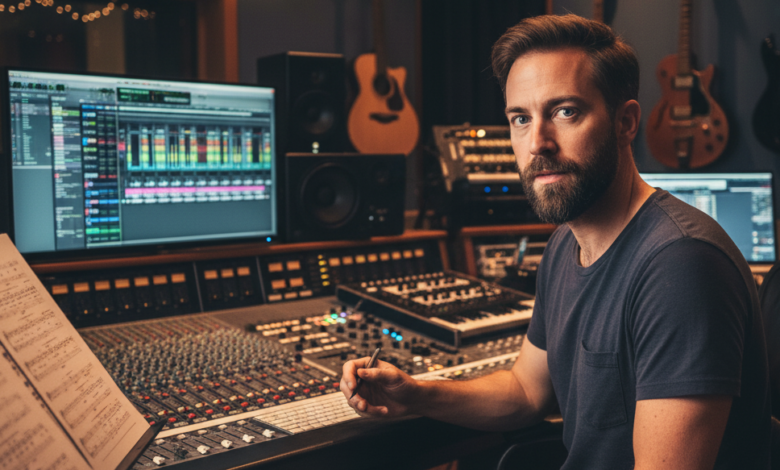
Introduction to Trevor Morris
Trevor Morris is a distinguished composer known for his remarkable ability to create immersive soundscapes that enhance the narrative depth of film and television. Born in 1970 in Toronto, Canada, Morris developed a passion for music at a young age, often influenced by the rich cultural and musical environment surrounding him. His musical journey began with piano lessons, eventually leading him to explore various musical genres, which would later play critical roles in his compositions.
Morris pursued formal education in music at the prestigious Berklee College of Music in Boston, where he honed his skills and deepened his understanding of musical theory and composition. During his time at Berklee, he was exposed to diverse musical styles and techniques that significantly influenced his writing. Following his graduation, Morris built a strong foundation for his career by working as an orchestrator and arranger for various projects, gradually establishing himself in the competitive industry of film scoring.
His breakout came with the opportunity to compose for high-profile television series and films. Morris’s unique sound blends orchestral elements with electronic sounds, allowing him to create scores that are not only grand but also deeply emotional, serving to elevate the storytelling experiences of the projects he undertakes. His distinctive style has led to collaborations with renowned directors and producers, resulting in numerous accolades and recognition within the industry.
As a pioneer in film and television scoring, Trevor Morris has left an indelible mark on the landscape of acoustic storytelling. His contributions continue to resonate in the narratives presented on the screen, reinforcing the significance of music as a vital component of cinematic art. Through exploring his body of work, we can gain insights into how Morris captures the epic scale of stories told through this medium.
The Role of Music in Film and Television
Music plays an indispensable role in enhancing narratives within film and television, serving as a powerful vehicle for emotional expression and storytelling. A well-crafted soundtrack not only complements the visual elements on screen but also deepens the viewer’s connection to the characters and the story being told. By carefully selecting melodies, rhythms, and instrumentation, composers are able to evoke specific emotions that resonate with the audience, creating a rich auditory experience that transforms scenes into memorable moments.
One of the primary functions of music in film and television is to build emotional depth. Whether through a soaring orchestral score that enhances a heroic moment or a melancholic piece that underscores a character’s loss, music has the unique ability to elicit feelings that words alone may not convey. Composers like Trevor Morris often utilize a combination of harmony and dynamic shifts to manipulate the audience’s emotions, guiding their reactions and amplifying the impact of pivotal scenes.


In addition to emotional manipulation, soundtracks can build tension and suspense, particularly in genres such as thriller or horror. Techniques such as dissonance, abrupt changes in tempo, and rhythmic variations can create a sense of unease, drawing the audience deeper into the narrative. By strategically employing these techniques, composers maintain viewer engagement, keeping them on the edge of their seats as they anticipate what will come next.
Furthermore, music serves a vital role in world-building. Through distinctive themes and motifs, composers can establish a unique auditory identity for a film or television series, reinforcing the setting and atmosphere. For instance, a historical drama may feature instrumentation and scales that reflect the time period, while a fantasy epic might employ ethereal sounds to establish a sense of wonder. As such, the score contributes significantly to the immersive quality of the viewing experience.
Ultimately, the collaboration between music and visual storytelling is fundamental in film and television, as exemplified by Trevor Morris’s work. Through an intricate understanding of the emotional and narrative aspects, composers shape our perceptions and reactions, ensuring that each story resonates profoundly with audiences.
Signature Techniques of Trevor Morris
Trevor Morris has established himself as a prominent figure in the world of film and television scoring, distinguished by a series of signature techniques that define his unique style. One notable aspect of his compositions is orchestration. Morris employs a blend of traditional orchestral elements and contemporary musical structures, allowing him to evoke a profound sense of grandeur in his scores. By meticulously layering instruments and utilizing diverse timbres, he crafts a rich sonic tapestry that enhances the narrative of the visual media.
Another hallmark of Morris’s technique is his use of motifs. He understands the power of thematic material, often introducing distinctive motifs that represent characters, emotions, or pivotal story elements. These motifs are not merely repetitive; Morris artfully transforms them throughout a score, allowing them to evolve alongside the storyline. This strategic use of motifs creates a deep emotional resonance, drawing audiences into the cinematic experience.
Equally important is Morris’s dynamic range. His work often features abrupt shifts in volume and intensity, capturing the audience’s attention and highlighting critical moments in the narrative. This dynamic variability, which ranges from soft, intimate passages to powerful, climactic sections, reinforces the emotional impact of the scenes. It underscores the drama and enhances the overall viewing experience, keeping audiences engaged and invested.
Additionally, Morris demonstrates a masterful integration of unique instrumentation. He often incorporates unconventional instruments or sounds, blending them seamlessly with traditional orchestral arrangements. This innovative approach allows him to create a signature sound that resonates with both the epic and the intimate, bridging the gap between classical and modern music. By skillfully fusing these elements, Trevor Morris leaves a lasting impression, marking his compositions as both memorable and insightful.
Highlighted Works: A Deep Dive into Key Projects
Trevor Morris is renowned for his ability to craft musical scores that embody the epic undertones of film and television narratives. His work is characterized by a seamless blend of orchestral arrangements and modern instrumentation, making significant contributions to the storytelling process. Notable projects such as ‘The Tudors,’ ‘Vikings,’ and ‘The Mortal Instruments’ exemplify his expertise in translating historical and fantastical elements into auditory experiences.
‘The Tudors,’ a historical drama series originally aired on Showtime, showcases Morris’s ability to create music that encapsulates the grandeur and intrigue of the Tudor dynasty. His score complements the series’ complex characters and political machinations, utilizing lush string arrangements and choral elements that evoke the period’s opulence. The music adds a rhythmic intensity that keeps viewers engaged, ensuring that the historical context resonates deeply with the audience.
In ‘Vikings,’ another critically acclaimed series, Morris takes a different approach, infusing the score with Norse mythology and Viking culture. The combination of classical orchestration with traditional Scandinavian instruments immerses the viewer in a visceral journey through the Norse world. His ability to evoke a sense of adventure and discovery through music is evident, allowing the audience to experience the harsh landscapes and tumultuous lives of the Viking warriors. Each cue reinforces the epic nature of the narrative, making it an integral part of the series’ storytelling.
Moreover, in ‘The Mortal Instruments,’ Morris further demonstrates his versatility by merging a contemporary sound with fantasy elements. The orchestral score enhances the film’s dramatic moments, creating suspense and emotion that resonates with the characters’ struggles and victories. His music is vital in building tension and elevating pivotal scenes, thus enriching the overall viewing experience.
Trevor Morris’s varied works reflect his unique capability to channel the emotional essence of both historical dramas and fantasy narratives, ultimately transforming how audiences connect with these epic tales.
Collaboration with Directors and Producers
Trevor Morris’s noteworthy contributions to film and television music can be largely attributed to his adept collaboration with directors and producers. This synergy plays a crucial role in shaping the final soundtracks, as the intricate dance between visual storytelling and auditory expression requires mutual understanding and vision. When working with directors such as Roland Emmerich and producers like Jerry Bruckheimer, Morris engages in discussions that are both creative and strategic, allowing for an exchange of ideas that deeply enriches the end product.
One of the defining aspects of Morris’s collaborative process is his ability to adapt to the unique style and tone of each project. For instance, while scoring for historical epics or action-packed narratives, he remains sensitive to the directorial intent, ensuring that his compositions resonate with the intended emotions and themes. This adaptability not only helps in realizing the filmmakers’ visions but also elevates the overall cinematic experience for the audience.
Furthermore, the relationships Morris establishes with his collaborators often extend beyond mere professional interactions. By fostering open communication and creative dialogue, he builds a rapport that allows for exploration and experimentation within the scoring process. This dynamic is evident in various projects, where music serves not just as an accompaniment but as a character in its own right, enriching the storytelling without overshadowing the visuals.
In amalgamating feedback from directors and producers, Morris focuses on the synergy of music and narrative, a deliberate choice that underscores the importance of collaboration. Such partnerships are not only critical in the initial stages of composition but also during the final phases of production, ensuring that the soundtrack is finely tuned to the flow and rhythm of the visual elements. Overall, Trevor Morris exemplifies how collaborative relationships in the realm of film scoring can lead to truly epic auditory experiences that stand as pillars of impactful storytelling.
Emotional Resonance and Historical Context
Trevor Morris’s compositions are notable for their ability to evoke deep emotional responses in viewers, particularly within the historical drama genre. His mastery in weaving music with narrative underscores the intricate relationship between sound and storytelling, allowing audiences to connect with the characters on a profound level. By skillfully integrating musical themes that correspond to both individual characters and broader historical elements, Morris enhances the emotional landscape of his projects.
In many historical dramas, the music composed by Morris provides a crucial layer of context that informs the viewer’s understanding of the time period depicted. By utilizing instruments, scales, and harmonies that align with the era’s cultural soundscapes, he enriches the authenticity of the narrative. For instance, a score featuring traditional instruments might not only evoke a specific location but also resonate emotionally with the audience, reminding them of the very human stories behind historical events.
Moreover, Morris effectively employs musical motifs to signify key themes or events, amplifying tension during pivotal moments in the storyline. Through his compositions, he can reflect the struggles and triumphs of characters navigating complex historical circumstances. This is evident in several of his works, where the music acts as a character in itself, guiding the audience through the emotional highs and lows of the drama.
In essence, Morris’s ability to blend historical context with emotional resonance creates a rich auditory experience that allows viewers to immerse themselves in the narrative fully. The evocative power of his scores not only enhances the storytelling but also helps to bridge the gap between past and present, making historical narratives not just informative but also deeply relatable.
The Evolution of Trevor Morris’s Style
Trevor Morris’s compositional style has undergone a significant evolution throughout his career, reflecting the changing landscape of the film and television industry. Beginning with his early work, Morris was primarily influenced by traditional orchestral music, which featured rich polyphonic textures and grandiose arrangements typical of the epic scores of the late 20th century. As the industry shifted towards more modern and diverse storytelling techniques, Morris adapted his style accordingly, showcasing his ability to blend classical elements with contemporary sounds.
The advent of new technologies has played a pivotal role in transforming how Morris composes music. With the rise of digital audio workstations and advanced sampling, he has embraced these tools to create innovative soundscapes that resonate with today’s audiences. This technological integration allows Morris to layer intricate textures and timbres, achieving a depth in his scores that was previously unattainable. His use of synthesizers and electronic instruments complements traditional orchestration, giving a unique color and modernity to his compositions.
Morris has also ventured into various genres, demonstrating his versatility as a composer. For instance, his work on historical dramas often incorporates elements of folk music, while science fiction scores might feature more avant-garde sounds. This experimentation not only reflects his personal growth as an artist but also signals his awareness of audience expectations and industry trends. By continually pushing the boundaries of his musical language, Morris ensures that his scores remain fresh and relevant, capturing the epic scale that defines much of his output.
In essence, the evolution of Trevor Morris’s style exemplifies an artist’s journey through an ever-changing industry, where adaptation and innovation are crucial for sustaining creativity and impact.
Influence and Legacy in the Industry
Trevor Morris has established himself as a prominent figure in the film and television scoring industry, leaving an indelible mark through his innovative compositions and distinctive sound. His ability to blend traditional orchestration with modern electronic elements has not only set him apart but has also paved the way for future composers working within the genre of epic storytelling. The shifting landscape of film scoring has seen an increasing number of artists drawing inspiration from Morris’s techniques, particularly in how they utilize thematic motifs to enhance narrative depth.
One of the key aspects of Morris’s influence is his proficiency in creating atmospheric soundscapes that complement visual storytelling. His work on series such as “The Tudors” and “Vikings” showcases his talent for constructing rich sonic environments that resonate with the historical themes and character arcs presented on screen. This capability has encouraged a new generation of composers to experiment with sound in similar ways, recognizing the importance of music in evoking emotion and setting the tone for epic narratives.
Moreover, Morris’s collaborations with renowned directors and producers have further solidified his legacy within the industry. By working closely with creative teams, he has illustrated the vital role that a film score plays in the overall production process. This collaborative spirit embodies a shift towards a more integrated approach to scoring in film and television. As Morris continues to produce captivating compositions, his impact on the craft becomes increasingly evident, inspiring others to explore the boundaries of music in media.
As the industry evolves, the themes and styles that Morris has pioneered will undoubtedly remain relevant. His emphasis on emotional storytelling and the sophisticated use of orchestration will continue to influence composers, ensuring that his legacy persists in shaping the future of film and television scoring.
Conclusion: The Continuing Journey of Trevor Morris
Trevor Morris has firmly established himself as a pivotal figure in the realm of film and television scoring. Through his innovative compositions, he has successfully brought a sense of epic scale and emotional depth to numerous projects. From his work on “The Tudors” to films like “Olympus Has Fallen,” Morris skillfully crafts soundscapes that resonate with audiences, enhancing the storytelling experience. His ability to blend traditional orchestral elements with contemporary sounds reflects his adaptability and keen understanding of the evolving landscape of film scoring.
The impact of Morris’s music is undeniable; it elevates visuals and dialogues, creating a lasting connection with viewers. His mastery in orchestration and thematic development allows him to capture the grandeur of historical narratives and expansive stories, contributing significantly to the viewer’s immersion in the on-screen world. This echoes in his scores for epic series and films, where every note serves to underline the emotional arcs of the characters and the overarching narrative.
Looking towards the future, it is intriguing to consider how Trevor Morris may continue to evolve his artistry. The expansion of streaming platforms and the increasing demand for high-quality soundtracks presents both challenges and opportunities. As new storytelling formats emerge, there is a potential for Morris to explore uncharted territories in music composition, perhaps venturing into interactive or immersive scores that enhance viewer engagement on a different level.
In conclusion, the journey of Trevor Morris is far from over. His contributions to film and television will undoubtedly leave a lasting legacy, setting a benchmark for future composers. As he continues to adapt and innovate within the scope of his craft, audiences can anticipate the next chapters of his artistic journey, filled with the same epic magnitude and emotional resonance that defines his work.