The Hidden Dangers of Alcohol: What It Really Does to Your Body

Understanding Alcohol: What It Is and How It Affects Us
Alcohol, scientifically known as ethanol, is a psychoactive substance commonly consumed for recreational purposes. It is formed through the fermentation of sugars by yeast, which creates alcoholic beverages such as beer, wine, and spirits. Upon consumption, alcohol is rapidly absorbed into the bloodstream, where it interacts with various organs and systems in the body. The liver plays a crucial role in metabolizing alcohol, converting it into acetaldehyde, a toxic compound, which is subsequently broken down into harmless substances before being eliminated from the body.
Once ingested, alcohol primarily affects the central nervous system (CNS), leading to changes in mood, cognition, and behavior. It enhances the effects of gamma-aminobutyric acid (GABA), a neurotransmitter that induces feelings of relaxation and can impair motor function. Additionally, alcohol inhibits the release of glutamate, another neurotransmitter that usually promotes brain activity. This dual action creates a depressant effect, resulting in the classic signs of intoxication such as slurred speech, decreased coordination, and impaired judgment.
The immediate effects of alcohol consumption can vary depending on several factors, including the amount consumed, the individual’s body weight, and their tolerance to alcohol. While moderate consumption may lead to a sense of euphoria and lowered inhibitions, excessive intake can induce nausea, vomiting, and blackouts. Over time, the long-term effects of alcohol can be more severe, potentially leading to chronic health issues such as liver disease, cardiovascular problems, and mental health disorders. Understanding the biochemical and physiological impact of alcohol on our bodies is essential for recognizing its potential hidden dangers.
The Physical Impact of Alcohol on Major Organs
Alcohol consumption significantly affects various major organs in the body, leading to both acute and chronic health issues. The liver, heart, and brain are particularly vulnerable to the effects of heavy and prolonged alcohol intake. One of the primary concerns related to alcohol’s impact on the liver is the development of fatty liver disease. This condition occurs when excessive fat builds up in liver cells, impairing the organ’s function. According to research, approximately 20% of heavy drinkers develop alcoholic liver disease, which can escalate to more severe conditions such as cirrhosis. Cirrhosis involves irreversible scarring of the liver, ultimately resulting in liver failure, a life-threatening condition.
The heart also suffers detrimental effects from alcohol. Chronic alcohol consumption can lead to cardiomyopathy, a disease that enlarges and weakens the heart muscle. This condition impairs the heart’s ability to pump blood effectively, often resulting in heart failure. Studies indicate that individuals who consume more than two standard drinks per day are at a higher risk for developing this serious cardiac condition. Additionally, alcohol can trigger arrhythmias, leading to irregular heartbeats that pose further health threats.
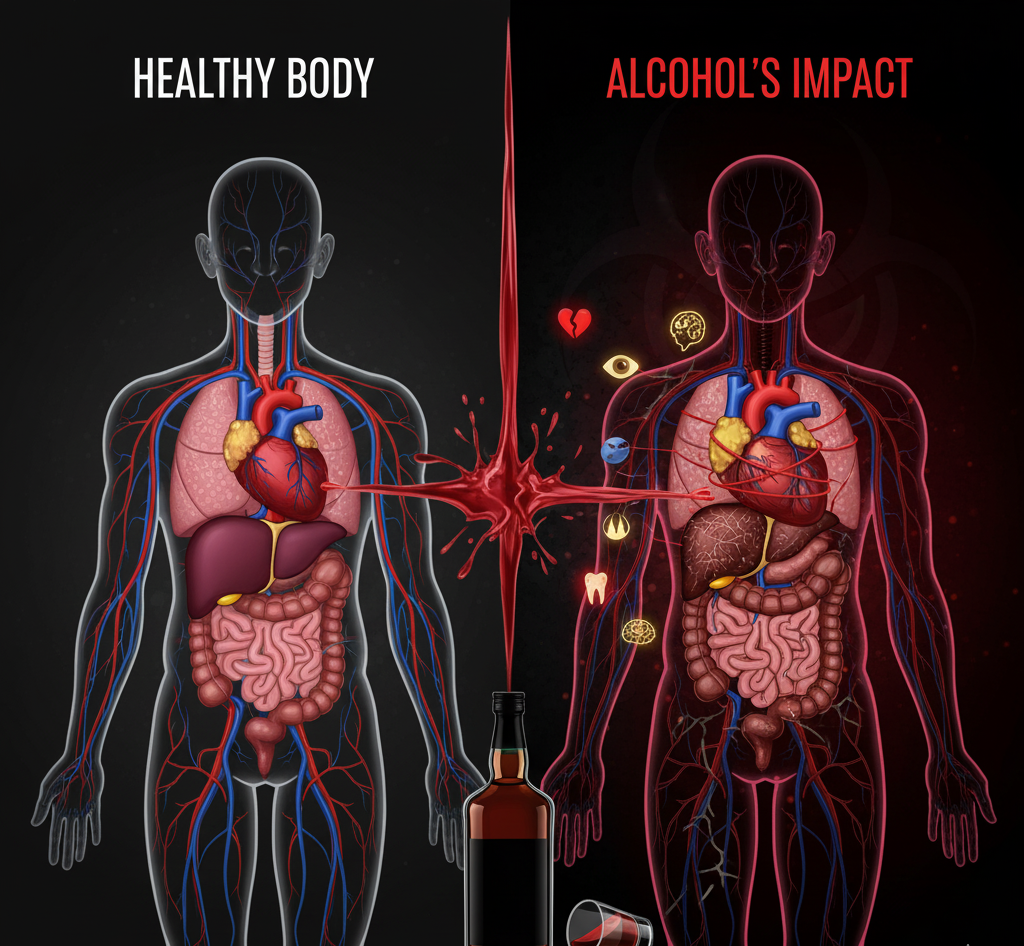


Moreover, the brain is not immune to the adverse effects of alcohol. Prolonged drinking can lead to cognitive impairments and neurodegeneration. The risk for conditions such as Wernicke-Korsakoff syndrome, a severe brain disorder caused by thiamine deficiency linked to alcohol, increases with excessive intake. This syndrome manifests through symptoms including confusion, memory loss, and difficulties with coordination. Recent findings suggest that even moderate drinking can result in changes to brain structure, impacting areas responsible for memory and emotional regulation.
In conclusion, the implications of alcohol consumption on vital organs are profound and far-reaching, contributing to numerous serious health conditions that are often hidden from immediate recognition. Understanding these impacts emphasizes the importance of monitoring one’s alcohol intake and recognizing the potential long-term consequences on organ health.
Alcohol and Mental Health: The Unseen Connection
The interaction between alcohol and mental health is a complex and often overlooked issue that warrants significant attention. Alcohol consumption can have profound psychological effects, which may exacerbate existing mental health concerns such as depression and anxiety. Many individuals, under the impression that alcohol serves as a temporary escape, may turn to it as a means of self-medication to cope with emotional distress. This coping mechanism can create a paradox where the relief granted by alcohol is short-lived, often leading to increased feelings of sadness and anxiety once the effects wear off.
Research indicates that chronic alcohol use can alter brain chemistry, impacting neurotransmitters that play crucial roles in mood regulation. For instance, prolonged alcohol consumption may reduce the levels of serotonin, a critical hormone that helps to stabilize mood and promote feelings of well-being. Consequently, individuals who rely on alcohol to manage their mental health may find themselves in a vicious cycle, wherein increased alcohol use leads to worsened psychological states, prompting further consumption.
The cyclical nature of alcohol dependence and deteriorating mental health illustrates the necessity for awareness and early intervention. Recognizing the warning signs, such as increased reliance on alcohol, persistent feelings of unhappiness, or social withdrawal, is vital for those at risk. Early detection can pave the way for appropriate treatment, which may include counseling, therapy, or support groups targeting both alcohol dependency and mental health issues concurrently. It is crucial to approach these conditions holistically, as neglecting one in favor of the other may lead to persistent challenges. Therefore, understanding the hidden dangers posed by alcohol becomes paramount in fostering healthier coping strategies and mental well-being.
Recognizing When Alcohol Becomes a Danger: Warning Signs and Alternatives
Understanding the warning signs of alcohol becoming a problem is critical for maintaining both physical and mental health. Behavioral changes may be among the first indicators that one’s alcohol consumption is becoming dangerous. Individuals might notice an increase in mood swings, irritability, or withdrawal from previously enjoyed activities. These behavioral shifts can often be a cry for help, revealing underlying issues that drinking might be masking.
Physical health symptoms also serve as red flags. Frequent headaches, digestive issues, or an overall decline in well-being should not be overlooked. Additionally, experiencing changes in sleep patterns or energy levels can be significant warning signs. Alcohol’s impact on sleep quality can lead to a cycle of fatigue and reliance on more drinking to compensate, which can further exacerbate health problems.
Social consequences are another critical area to consider. If drinking starts to interfere with relationships, work responsibilities, or social engagements, it may be time to reevaluate one’s habits. Isolation or increased conflict with friends and family due to drinking habits can be a signal that alcohol is having an adverse effect on life dynamics.
Fortunately, there are effective alternatives to alcohol consumption. Healthy coping strategies might include engaging in physical activities, pursuing hobbies, or practicing mindfulness techniques. These activities not only enhance well-being but also foster connections with others in alcohol-free environments. Joining clubs or community groups that focus on shared interests can provide fulfilling social experiences without the need for alcohol.
Additionally, there are numerous resources and support systems available for those who feel their drinking may be becoming problematic. Professional help, whether through counseling or support groups, can offer guidance and encouragement in navigating the complexities of alcohol use. Recognizing these signs can empower individuals to take action and seek healthier lifestyle choices.