The First Recognized Nation: Why Morocco’s Early Acknowledgment of American Independence Still Matters
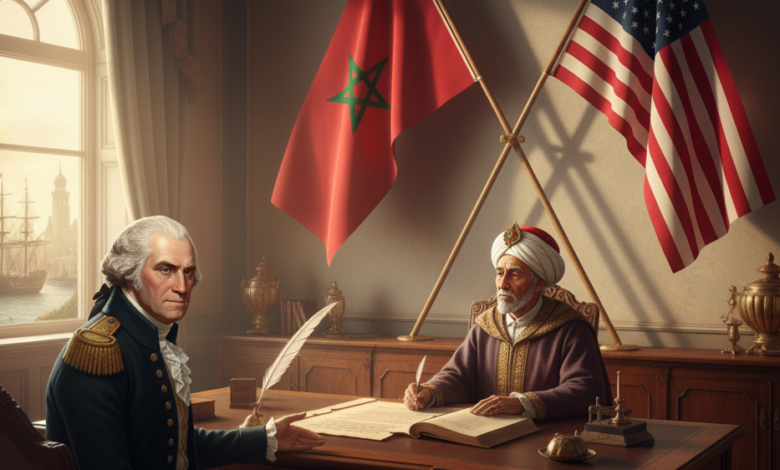
A Historic Gesture: Morocco’s Recognition of American Independence
In the context of 18th-century geopolitics, Morocco’s decision to recognize American independence in 1786 stands as a landmark moment in diplomatic history. This gesture marked the first formal acknowledgment of the United States by a foreign nation, thereby establishing a crucial precedent for international relations. The recognition was formalized through the Treaty of Friendship, which not only embodied mutual respect but also paved the way for future diplomatic engagement between the two nations.
The historical backdrop of this recognition is essential for understanding its significance. At the time, the United States was emerging from the Revolutionary War, striving to assert its sovereignty and establish legitimacy on the global stage. Morocco, a kingdom existing at the crossroads of Europe and Africa, found itself in a unique position. By acknowledging American independence, Moroccan leaders sought to enhance their own geopolitical status and showcase their role as a sovereign entity willing to engage with nascent powers. Such recognition reflected Morocco’s strategic interests in promoting trade relations and securing political alliances.
Moreover, the motivations behind Morocco’s recognition of American independence extend beyond mere political calculation. The kingdom harbored aspirations for economic growth and the strengthening of its maritime trading capabilities. Establishing diplomatic relations with the United States offered Morocco lucrative opportunities for trade, particularly through the exchange of goods and services. This early engagement symbolized a progressive approach towards international diplomacy, demonstrating that Morocco, as a traditional power, was willing to embrace new political realities.
Through this historic gesture, Morocco not only opened the doors to bilateral dialogue but also laid the groundwork for a friendship that would endure through various political and social transformations. The implications of this recognition resonate in contemporary international relations, highlighting the enduring nature of diplomatic ties initiated through mutual respect and cooperation.
Cultural Ties: The Impact of Moroccan-American Relations
The relationship between Morocco and the United States dates back to the late 18th century when Morocco became the first country to formally recognize American independence in 1786. This early acknowledgment laid the foundation for a deep cultural and social connection that has evolved over the centuries. One notable aspect of this relationship is the exchange of ideas and cultural traditions. The United States has long been influenced by Moroccan art, music, and culinary traditions, while Morocco has embraced certain American cultural elements, particularly in urban centers.
Trade has also played a significant role in strengthening cultural ties between the two nations. The exchange of goods, such as Moroccan textiles, handicrafts, and spices, is complemented by American products that have found a place in Moroccan markets. This exchange fosters not only economic cooperation but also cultural appreciation and mutual respect between the peoples of both countries. Events like the Marrakech International Film Festival reflect the collaborative spirit of Moroccan and American artists, where filmmakers showcase stories that bridge diverse cultures and perspectives, enhancing mutual understanding through visual storytelling.


The importance of educational and cultural programs cannot be overlooked. Initiatives such as student exchange programs and cultural festivals have allowed individuals from both nations to engage and learn from one another. Notable instances, such as Moroccan musicians participating in American jazz festivals, exemplify the blending of musical styles and the shared values of creativity and collaboration. This dynamic interaction between cultures ensures that both nations continue to evolve while cherishing the historical ties that bind them. As both countries navigate the complexities of contemporary global challenges, these cultural connections serve as a vital reminder of their shared heritage and collaborative spirit.
Lessons from History: Why It Matters Today
The early acknowledgment of American independence by Morocco establishes a foundation of diplomatic relations that continues to resonate in contemporary international relations. This initial recognition occurred at a time when the United States was seeking legitimacy and allies on the global stage, highlighting the importance of international cooperation in shaping the outcomes of nascent nations. Morocco’s distinct decision to serve as one of the first nations to recognize the sovereignty of the United States underscores the potential of alliances formed through mutual interests and shared goals.
In modern geopolitics, the lessons gleaned from this early diplomatic engagement hold significant relevance. The relationship between Morocco and the United States serves as a model for how historical ties can influence contemporary diplomatic endeavors. With both nations working together on various platforms, including security, trade, and cultural exchanges, the historical context aids in navigating present challenges. By reflecting on the early acknowledgment of American independence, policymakers can recognize the long-term benefits that come from fostering strong bilateral relationships.
Moreover, analyzing this historical event sheds light on the evolving nature of diplomacy itself. In a world increasingly marked by transnational issues, such as climate change and terrorism, the need for robust alliances has never been more pressing. Morocco’s willingness to support the United States historically exemplifies how proactive engagement among countries can lead to stability and progress. As the geopolitical landscape continues to shift, recalling Morocco’s early support for American independence can inspire similar partnerships that prioritize cooperation over conflict.
In conclusion, the lessons drawn from Morocco’s early recognition of American independence not only highlight the significance of historical context in diplomatic relations but also serve as a call to action for contemporary leaders to build upon these foundational alliances. Such reflections can guide current and future interactions between nations, reaffirming the importance of collaboration in an interconnected world.
Looking Ahead: The Future of Moroccan-American Relations
As we consider the historical ties between Morocco and the United States, it is essential to look ahead and explore the future trajectory of Moroccan-American relations. Given their longstanding diplomatic connections, rooted in Morocco’s recognition of American independence in 1777, both nations stand to gain significantly from further collaboration. This forward-looking perspective will detail potential areas for growth, including trade partnerships, cultural exchanges, and joint efforts in addressing global challenges.
One prominent area for growth lies in enhancing trade partnerships. The United States and Morocco have the potential to expand their economic relationship through initiatives that promote bilateral trade and investment. With Morocco serving as a gateway to Africa and the U.S. seeking to strengthen its presence in the continent, the two nations can collaborate on trade agreements that facilitate exports and imports, benefiting both economies. Furthermore, fostering partnerships in sectors like renewable energy, technology, and agriculture could further enhance mutual economic interests.
Cultural exchanges also present a salient opportunity to strengthen Moroccan-American relations. By promoting educational programs, art exhibitions, and cultural festivals, both nations can enhance mutual understanding and appreciation of each other’s heritage. Facilitating travel and exchange programs for students and professionals will foster deeper connections and enrich the experiences of those involved, reinforcing the historical bond between the two nations.
Moreover, both nations can join forces to tackle global challenges such as climate change, terrorism, and public health crises. Collaborative efforts in these areas will not only enhance their respective national security and wellbeing but will also demonstrate the importance of a united approach to addressing issues that transcend borders. The significance of maintaining strong ties between Morocco and the United States cannot be overstated; it serves as a powerful reminder of shared values and mutual respect that can guide future interactions.